Sold out
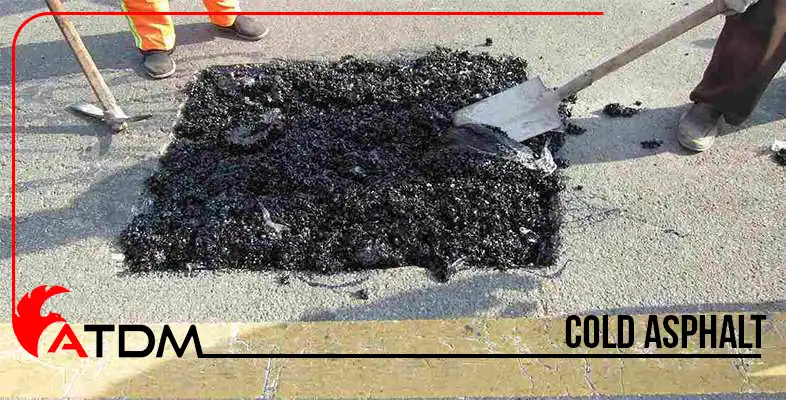

Cold asphalt, also known as cold mix asphalt, is a game-changing solution for road maintenance and emergency repairs. Unlike traditional hot mix, cold asphalt is ready to use, requires no heating, and can be applied in any weather condition. Whether you’re a contractor, municipality, or wholesaler looking for bulk materials, partnering with the right cold asphalt supplier ensures reliability, durability, and cost efficiency.
What Is Cold Asphalt?
Cold asphalt combines bitumen emulsion and aggregates to create a road repair solution that doesn’t require heating. Manufacturers produce it at ambient temperature, and it stays workable until you compact it, making it highly convenient for quick and efficient applications. This property makes it an excellent solution for instant pothole filling and temporary patching.
Applications of Cold Asphalt
Cold asphalt is widely used in:
Other Names and Commercial Terms
Cold asphalt is known by different commercial names depending on the supplier and market. Common alternatives include:
Understanding these terms can help buyers communicate better with any cold asphalt supplier globally.
Cold Asphalt Grades
Different grades of cold asphalt serve different purposes. The most common ones include:
Packaging Options Available
Cold asphalt comes in multiple packaging formats to suit different project needs:
Always confirm with your cold asphalt supplier what packaging options are available for export or local delivery.
Shelf Life and Storage Recommendations
One of the main advantages of cold asphalt is its long shelf life:
Advantages of Cold Asphalt
There are numerous benefits to using cold asphalt over traditional hot mix:
These advantages make cold asphalt a preferred solution for modern road maintenance teams.
Technical Specifications
Typical technical parameters include:
Bitumen Content: 4% – 6%
Grain Size: 0-5 mm or 0-10 mm depending on usage
Density: Approx. 2.2 – 2.5 g/cm³
Curing Time: Traffic-ready within 1 hour
Color: Black (can vary slightly with additives)
Always request the MSDS and COA from your cold asphalt supplier for safety and compliance.
Export & Shipping Information
If you are planning to import or distribute
cold asphalt, consider:
HS Code: 27150000 (Bituminous mixtures)
Minimum Order: Usually 20–24 MT for FCL
Origin: Common suppliers are based in UAE, Turkey, Iran, India, and China
Transport: Available via 20’ or 40’ containers or bulk truckload
Required Docs: Invoice, Packing List, MSDS, Certificate of Origin, COA, BL
A professional cold asphalt supplier will assist with all export documentation.
Cost Considerations
Prices of cold asphalt vary depending on:
Cold Asphalt for Emergency Repairs and Disaster Recovery
In natural disasters or accidents that damage roads, cold asphalt is a critical tool:
A dependable cold asphalt supplier with stock on hand can be a lifesaver during such times.
In Short
Cold asphalt is more than just a repair product—it is a strategic asset for road maintenance, disaster recovery, and public safety. Choosing the right cold asphalt supplier ensures quality, consistency, and reliability. Whether you’re managing small patchwork in a city or supplying infrastructure materials for a government project, cold asphalt offers the versatility and performance you need.