Sold out

We are Aluminium exporter from Iran to global markets
Iran has become a significant player in the global aluminum market. This growth is attributed to the country’s rich natural resources, including vast reserves of bauxite and other raw materials necessary for aluminum production. Iranian aluminum types, grades, packing methods, and the sizes available in the market have a significant influence on various industries, both domestic and international. The aluminum industry in Iran caters to a wide array of sectors, including construction, automotive, packaging, and energy, all of which require different grades, sizes, and packaging solutions.
Manufacturing
Aluminum, a versatile and lightweight metal, is essential for manufacturing and industrial purposes. In Iran, the industry has expanded significantly over the last decade, making it crucial to understand the types, grades, packing solutions, and size variations that are available in this region.
Aluminum Grades in Iran
The variety of aluminum grades in Iran is designed to meet diverse industrial demands. Iranian manufacturers produce both primary aluminum and secondary (recycled) aluminum, with various grades catering to specific applications.
High-Purity Aluminum (99.99% Pure)
High-purity aluminum is commonly used in industries requiring superior corrosion resistance, electrical conductivity, and high thermal performance. This grade is essential in the production of electrical cables, transformer windings, and high-end electronics. In Iran, producers emphasize refining processes to ensure the purity levels are suitable for such precision applications.
1000 Series Aluminum (Commercially Pure)
This series primarily consists of aluminum grades such as 1050, 1060, and 1100, known for their excellent corrosion resistance and high thermal and electrical conductivity. These grades are commonly used in chemical processing equipment, food and beverage packaging, and heat exchangers due to their formability and non-toxic properties. In Iran, these grades are highly demanded due to their versatility and wide range of industrial applications.
3000 Series Aluminum (Aluminum-Manganese Alloys)
The 3000 series is known for moderate strength and excellent corrosion resistance, making it ideal for roofing materials, cooking utensils, and storage tanks. Grades like 3003 and 3105 are typical in Iran’s market, serving industries where both ductility and corrosion resistance are required.
5000 Series Aluminum (Aluminum-Magnesium Alloys)
The 5000 series is commonly used for marine applications, truck bodies, and pressure vessels because of its exceptional strength and resistance to saltwater corrosion. In Iran, grades like 5052 and 5083 are popular for use in shipbuilding and industrial applications where exposure to harsh environments is a concern.
6000 Series Aluminum (Aluminum-Magnesium-Silicon Alloys)
This series is perhaps the most versatile, with grades such as 6061 and 6063 being extensively used in structural applications. These alloys are known for their excellent mechanical properties, corrosion resistance, and good formability. Iranian industries utilize this grade for automotive parts, construction, and aerospace components.
7000 Series Aluminum (Aluminum-Zinc Alloys)
Known for its high strength, the 7000 series is used in applications that demand maximum strength-to-weight ratios, such as in aerospace and sporting equipment. Iranian manufacturers produce grades like 7075, which is comparable in strength to some steels and is essential for aircraft structures and critical engineering applications.
Packaging Analysis of Aluminum in Iran
iran aluminium
Aluminum packaging plays a vital role in its transport and distribution across various sectors in Iran and internationally. The way aluminum is packaged depends on its form, whether it’s in sheets, ingots, coils, or extrusions. Here’s a breakdown of packaging techniques prevalent in Iran’s aluminum industry:
Aluminum Sheets and Coils
Sheets and coils are often shipped in large volumes and require protective packaging to prevent damage during transport. They are typically packaged in wooden crates, strapped tightly with steel bands, and sometimes shrink-wrapped to protect from moisture. Aluminum sheets, especially the thinner gauges used in packaging and architectural applications, are also treated with surface coatings or anodization, requiring extra care to avoid surface scratches.
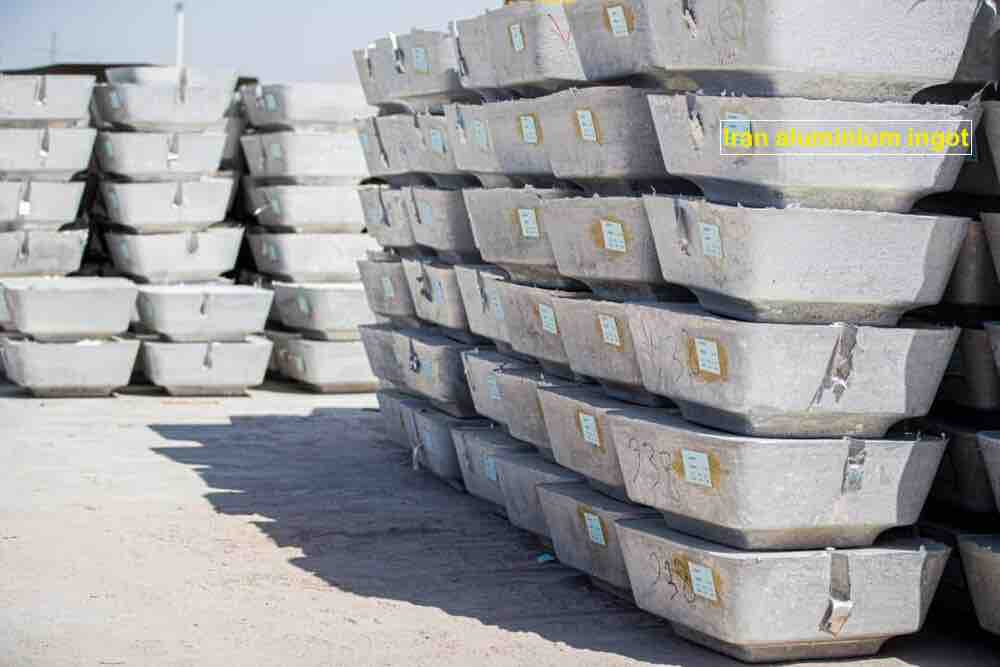
Aluminum Ingots
Ingots, used primarily for re-melting and further processing, are stacked and strapped together for easy transport. The packaging is designed to minimize movement during transit, ensuring the ingots arrive without significant deformation. In Iran, ingots are produced in various weights (ranging from 5 kg to 25 kg), with packaging often tailored to export specifications.
Extrusions and Profiles
Aluminum extrusions are commonly used in window frames, doors, and structural components. These are usually bundled together with plastic or steel straps and may be cushioned with foam or plastic sleeves to protect intricate designs from damage. In Iran, manufacturers pay particular attention to the spacing between profiles to avoid damage during loading and unloading.
Rolled Aluminum Products
Products such as aluminum foil or thin rolled sheets used in food packaging require special packaging to prevent contamination and preserve the quality of the material. These rolls are often hermetically sealed and packed in moisture-proof containers. In Iran, rolled aluminum products are heavily exported, with packaging ensuring compliance with international safety and hygiene standards.
Industry Trends and Market Insights
Iran’s aluminum industry has undergone significant changes in recent years. The development of major smelting plants such as IRALCO (Iran Aluminum Company) and SALCO (South Aluminum Corporation) has positioned the country as a growing force in the global aluminum market. Additionally, the country’s access to key raw materials, such as bauxite, enables Iran to maintain a competitive edge in producing high-quality aluminum.
The growing demand for
aluminum, both domestically and for export, has also led to increased investment in packaging and distribution facilities. Export markets, particularly in Asia and Europe, have strict requirements for packaging to ensure the material’s integrity during transit, and Iranian manufacturers are adapting to meet these standards.