Sold out

Meaning Of Steel Rebar?
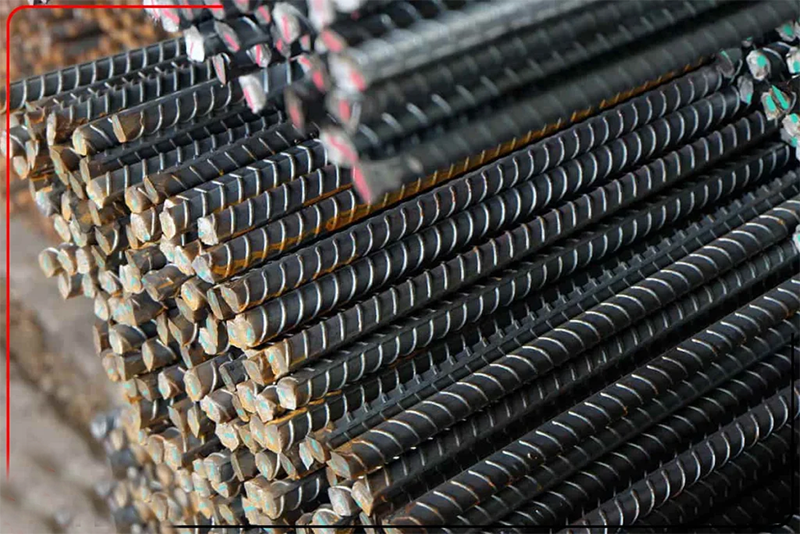
Steel rebar, also known as reinforcement bar or reinforcing steel, is a crucial material used in construction to enhance the tensile strength of concrete structures. Concrete is strong in compression but weak in tension, making steel rebar essential for improving its structural integrity. It is typically made of carbon steel and is available in various shapes and sizes to meet different construction needs. If you are looking for a steel rebar supplier, it is essential to choose one that provides high-quality Iran Steel Rebar and meets industry standards.
Properties of Steel Rebar
Steel rebar possesses key mechanical and physical properties that make it an excellent reinforcement material:
Applications of Iran Steel Rebar
Steel rebar is widely used in various construction projects, including:
Types of Iran Steel Rebar
Different types of rebar are used based on their material composition and intended use:
a) Carbon Steel Rebar (Black Rebar)
The most common type.
Strong but susceptible to corrosion.
Used in general concrete reinforcement.
b) Epoxy-Coated Rebar
Carbon steel rebar coated with epoxy for corrosion resistance.
Used in marine environments, bridges, and roads.
c) Galvanized Rebar
Zinc-coated for better corrosion resistance than epoxy-coated rebar.
More expensive but lasts longer in corrosive conditions.
d) Stainless Steel Rebar
Highly resistant to corrosion.
Used in extreme environments (e.g., chemical plants, coastal structures).
Most expensive type.
e) Glass Fiber-Reinforced Polymer (GFRP) Rebar
Non-metallic, lightweight, and non-corrosive.
Used in environments where metal corrosion is a major concern.
Expensive and has lower strength than steel.
f) Welded Wire Fabric (WWF)
Made of welded steel wires in a grid pattern.
Used in slabs, walls, and sidewalks.
g) European Rebar
Made of manganese-based steel.
Flexible but not ideal for earthquake-prone regions.
Choosing the Right Rebar
Difference Between Types and Sizes
The choice of steel rebar depends on the project’s requirements.
HS Code and CAS Code for Steel Rebar
HS Code: 7214.20.00 (This is the common Harmonized System (HS) code for deformed steel bars used as reinforcement in construction.)
Note: HS codes may vary slightly depending on the country, so it is best to check with local customs authorities for exact classification.
CAS Number: Not applicable
Steel rebar is a mixture/alloy rather than a single chemical substance, so it does not have a specific CAS (Chemical Abstracts Service) number. However, individual elements in steel (such as iron, carbon, and manganese) have their own CAS numbers:
Finding a Reliable Steel Rebar Supplier
If you are looking for a steel rebar supplier, it is important to consider quality, availability, and compliance with international standards. A trusted supplier should offer various types and sizes, ensuring fast delivery and competitive pricing.
For high-quality steel rebar, choose suppliers with a strong track record in the construction industry. A reputable steel rebar supplier should provide products that meet ASTM, BS, and ISO standards to guarantee reliability and safety.
In short
Steel rebar is an indispensable material in modern construction, providing strength and durability to concrete structures. Understanding its types, properties, and applications can help in selecting the right rebar for any project. Whether you need standard or specialized rebar, working with a trusted steel rebar supplier ensures quality and efficiency in construction projects.